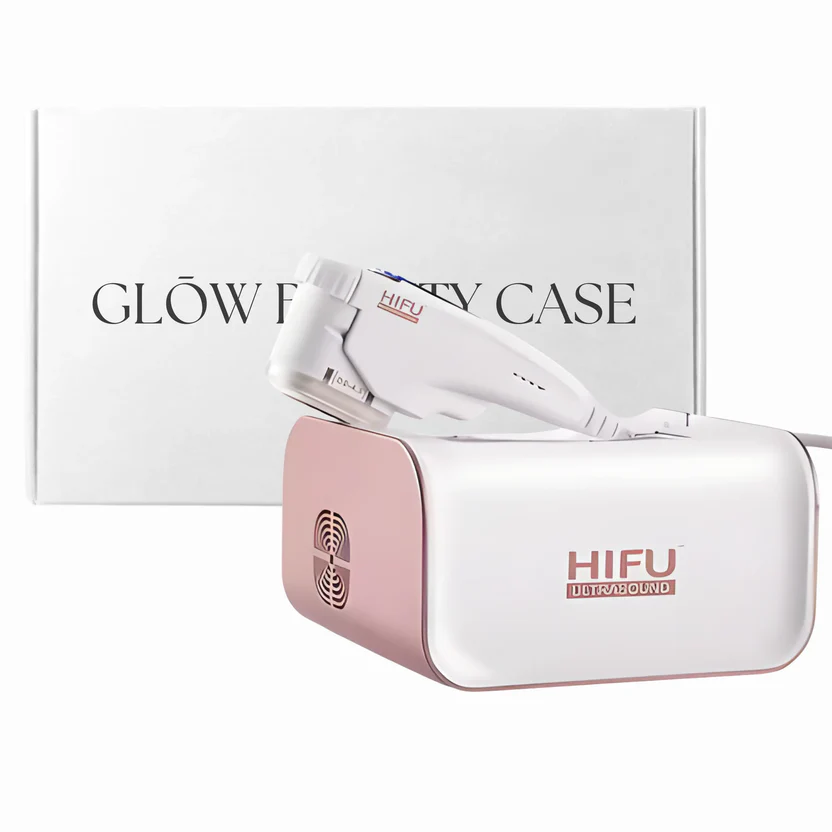
High-Intensity Focused Ultrasound (HIFU) has become one of the most recognized non-invasive aesthetic technologies for skin tightening and facial rejuvenation. Clinics, beauty professionals, and skincare specialists increasingly rely on HIFU devices to deliver treatments that stimulate collagen production without surgery.
When researching equipment, one of the first questions buyers ask is how much a professional HIFU system costs. The answer depends on several factors, including technology, treatment depth, cartridge options, software, certifications, and intended use.
If you are comparing the hifu machine price uk, it is important to evaluate the overall features and long-term value rather than focusing only on the initial purchase cost.
This guide explains the factors that influence pricing, the available machine types, expected maintenance, and what professionals should consider before investing in a HIFU device.
What Is a HIFU Machine?
A HIFU machine uses focused ultrasound energy to target tissue beneath the skin without damaging the outer surface. The controlled energy reaches specific depths, encouraging the body’s natural collagen regeneration process.
Unlike invasive cosmetic procedures, HIFU treatments generally require little to no downtime. Because of this, the technology has become increasingly popular among aesthetic clinics seeking non-surgical treatment options.
Modern HIFU systems are commonly used for:
- Facial lifting
- Skin tightening
- Jawline contouring
- Neck rejuvenation
- Fine line reduction
- Body contouring (depending on the machine)
The technology continues to evolve, with newer devices offering improved precision and customizable treatment settings.
Why HIFU Machines Vary in Price
Many people expect all HIFU machines to have similar prices, but this is rarely the case. Different manufacturers design equipment for different levels of professional use.
Several important factors influence pricing.
Technology and Energy Delivery
Advanced systems provide more accurate energy delivery. Better precision allows practitioners to target tissue consistently while maintaining patient comfort.
Premium machines often include intelligent software that automatically adjusts treatment parameters, helping improve treatment consistency.
Number of Treatment Cartridges
Most professional HIFU devices include multiple cartridges designed for different treatment depths.
Common cartridge depths include:
- 1.5 mm
- 3.0 mm
- 4.5 mm
- 6 mm
- 8 mm
- 10 mm
- 13 mm
- 16 mm
Machines supporting multiple cartridges can perform both facial and body treatments, increasing their versatility.
Build Quality
Medical-grade construction generally increases equipment reliability.
Well-built machines often feature:
- Durable housing
- Stable internal electronics
- Efficient cooling systems
- High-quality ultrasound transducers
- Longer operating life
Although premium construction increases upfront costs, it may reduce repair expenses over time.
Software Features
Modern HIFU systems include software that improves treatment planning.
Useful software features include:
- Touchscreen interfaces
- Treatment presets
- Adjustable energy settings
- Pulse control
- Session tracking
- User profiles
These functions improve workflow while helping practitioners maintain consistency.
Types of HIFU Machines
Not every HIFU machine serves the same purpose. Different models are designed for varying treatment goals.
Facial HIFU Machines
These systems focus primarily on facial rejuvenation.
Common treatment areas include:
- Forehead
- Eyebrows
- Cheeks
- Chin
- Jawline
- Neck
They usually require fewer treatment cartridges than body-focused devices.
Face and Body HIFU Machines
Professional clinics often choose combination systems that perform both facial and body procedures.
Benefits include:
- Greater treatment flexibility
- More service options
- Better equipment utilization
- Increased return on investment
Although these machines often cost more initially, they may offer greater long-term value.
Portable HIFU Machines
Portable devices are designed for professionals who require mobility.
Advantages include:
- Easier transportation
- Smaller footprint
- Convenient storage
- Lower power requirements
However, portable systems may offer fewer advanced features than larger clinical units.
Features Worth Paying For
When comparing HIFU equipment, buyers should evaluate features that improve both treatment quality and operational efficiency.
Important features include:
- Adjustable energy output
- Multiple cartridges
- Fast treatment speed
- Comfortable interface
- Stable ultrasound delivery
- Reliable cooling system
- Replaceable cartridges
- Treatment customization
- Software updates
- Safety protection systems
Selecting equipment based on functionality often provides better value than selecting solely by price.
Understanding Cartridge Lifespan
Every HIFU cartridge has a limited number of treatment lines.
As cartridges reach their maximum line count, they require replacement.
Before purchasing equipment, buyers should understand:
- Replacement cartridge availability
- Cartridge lifespan
- Replacement cost
- Compatible treatment depths
- Installation process
Considering these ongoing expenses helps estimate total ownership costs more accurately.
Factors That Affect Long-Term Ownership Costs
The purchase price represents only part of the investment.
Additional expenses may include:
- Replacement cartridges
- Equipment servicing
- Software updates
- Operator training
- Annual maintenance
- Replacement parts
- Electrical consumption
Evaluating the complete operating cost provides a more realistic understanding of equipment value.
Who Typically Purchases HIFU Machines?
Professional HIFU equipment is commonly used by:
- Medical aesthetic clinics
- Beauty salons
- Cosmetic treatment centers
- Skin care specialists
- Wellness clinics
- Licensed aesthetic practitioners
Each type of business may prioritize different machine features depending on the treatments offered.
Safety Considerations
Safe operation begins with proper training and following manufacturer guidelines.
Professionals should:
- Perform patient consultations
- Review medical history
- Follow recommended treatment protocols
- Use appropriate cartridges
- Monitor energy settings carefully
- Maintain proper hygiene standards
Well-maintained equipment also contributes to safer treatment outcomes.
Maintenance Tips for Longer Machine Life
Routine maintenance helps preserve equipment performance.
Recommended practices include:
- Cleaning the machine after use
- Storing cartridges properly
- Avoiding moisture exposure
- Updating software when available
- Inspecting cables regularly
- Scheduling professional servicing
Consistent maintenance may reduce unexpected downtime.
How to Compare Different HIFU Machines
Rather than selecting equipment based only on price, professionals should compare the overall package.
Consider:
Performance
Evaluate treatment consistency, energy precision, and available treatment depths.
Reliability
Research the durability of the machine and expected lifespan.
Ease of Use
Simple interfaces reduce training time and improve workflow.
Support Availability
Reliable technical assistance and spare parts availability are valuable over the life of the equipment.
Future Expansion
Machines with additional cartridge compatibility allow businesses to expand treatment offerings later.
Common Misconceptions About HIFU Pricing
Several misconceptions often influence buying decisions.
Expensive Always Means Better
Higher prices sometimes reflect additional features rather than significantly better treatment performance.
Cheapest Is the Best Value
Lower-priced equipment may have limited functionality, shorter cartridge life, or fewer treatment options.
All Machines Produce the Same Results
Different machines vary in energy consistency, software quality, precision, and overall engineering.
Choosing the Right Machine for Your Needs
Every clinic has unique treatment requirements.
Before making a decision, consider:
- Expected patient volume
- Available treatment space
- Budget
- Treatment goals
- Desired applications
- Future business growth
- Maintenance costs
A thoughtful evaluation ensures the equipment aligns with both current and future needs.
Conclusion
Purchasing a HIFU machine involves much more than comparing prices. Technology, cartridge options, software, reliability, maintenance requirements, and long-term operating costs all contribute to the overall value of the investment. Understanding these factors allows professionals to choose equipment that meets their treatment objectives while supporting efficient daily operations.
When reviewing the hifu machine price uk, consider comparing technical specifications, treatment capabilities, and ownership costs to make an informed decision that supports consistent performance over the long term.
FAQs
1. What determines the price of a HIFU machine in the UK?
Several factors affect pricing, including the machine’s technology, available treatment cartridges, software features, construction quality, certifications, and intended applications. Professional-grade devices designed for frequent clinical use generally cost more because they offer greater precision, durability, and treatment versatility.
2. Are portable HIFU machines suitable for professional use?
Many portable HIFU machines are designed for professional practitioners and can deliver effective treatments when used correctly. However, they may include fewer advanced features than larger clinical systems. Buyers should compare specifications, treatment capacity, and cartridge compatibility before making a decision.
3. How often do HIFU cartridges need replacement?
Replacement depends on the cartridge’s maximum treatment line capacity and how frequently the machine is used. Once the recommended number of treatment lines has been reached, the cartridge should be replaced to maintain consistent energy delivery and treatment quality.
4. Is maintenance important for HIFU machines?
Yes. Regular cleaning, software updates, proper storage, routine inspections, and scheduled servicing help maintain machine performance and reliability. Preventive maintenance can also reduce repair costs, extend equipment lifespan, and support consistent treatment results over time.
5. What should buyers compare besides price?
Beyond the initial purchase cost, buyers should evaluate machine durability, treatment depth options, software capabilities, cartridge availability, maintenance requirements, technical support, ease of operation, and long-term ownership costs. Comparing these factors provides a clearer picture of the machine’s overall value and suitability.