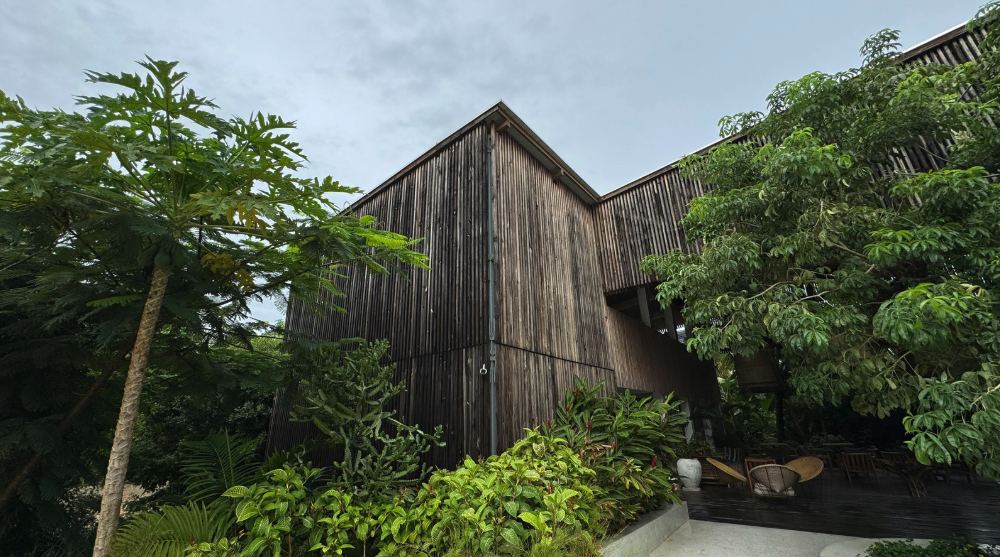
The way people live today has evolved significantly, influencing how spaces are designed and experienced. Modern lifestyles demand flexibility, comfort, and functionality, all of which shape contemporary architectural approaches. When exploring modern architecture in Atlanta, it becomes clear that design is no longer just about visual appeal but about adapting to real-life needs. Architects now focus on creating environments that reflect how people work, relax, and interact within their spaces. This shift ensures that buildings are not only aesthetically refined but also aligned with the rhythms of everyday living.
Designing for Flexible Living Spaces
There is a growing need for spaces that can adapt to multiple functions throughout the day. Modern architecture emphasizes flexibility by creating layouts that support changing needs. Open floor plans, multifunctional rooms, and adaptable areas allow spaces to serve different purposes without compromising comfort. This approach reflects how people balance work, leisure, and social activities within the same environment. By prioritizing flexibility, architects ensure that spaces remain relevant and functional over time. This adaptability is especially important in today’s fast-paced lifestyle, where the use of space can shift quickly depending on individual needs.
Enhancing Well Being Through Design
There is a strong connection between physical spaces and overall well-being. Architects now place a greater emphasis on creating environments that promote comfort and mental clarity. Natural light, ventilation, and thoughtful spatial organization contribute to a healthier living experience. Understanding how architecture affects behavior, thoughts, and mood, and how design choices can influence emotions and productivity. By incorporating these considerations, modern architecture creates spaces that support both physical and emotional well-being. This approach ensures that buildings contribute positively to the daily lives of those who use them.
Integrating Technology Into Everyday Spaces
Technology has become an integral part of modern living, shaping how spaces are designed and used. Modern architecture seamlessly integrates smart systems and advanced technologies to enhance convenience and efficiency. From automated lighting to climate control, these features allow users to interact with their environment in intuitive ways. Architects consider how technology can improve functionality without overwhelming the design. This balance ensures that spaces remain user-friendly while benefiting from technological advancements. The integration of technology reflects the evolving expectations of modern living and enhances the overall experience of a space.
Prioritizing Sustainability and Efficiency
Sustainability has become a key focus in contemporary architectural design. Modern architecture incorporates energy-efficient systems, sustainable materials, and environmentally conscious practices. These elements reduce the environmental impact of buildings while also improving long-term performance. Architects design with efficiency in mind, ensuring that spaces use resources responsibly without sacrificing quality or comfort. This approach not only benefits the environment but also aligns with the growing awareness of sustainable living. By prioritizing efficiency, modern architecture supports both present needs and future considerations.
Creating Strong Indoor and Outdoor Connections
The relationship between indoor and outdoor spaces has become increasingly important. Modern designs often blur the boundaries between interior and exterior environments, creating a seamless connection with nature. Large windows, open transitions, and integrated outdoor areas enhance the overall experience of a space. This connection allows natural elements to become part of the living environment, contributing to a sense of openness and relaxation. Architects use these design strategies to create spaces that feel expansive and inviting, reflecting the desire for balance between built environments and natural surroundings.
Conclusion
Modern architecture continues to evolve in response to the way people live, focusing on flexibility, well-being, and sustainability. By aligning design with real-life needs, architects create spaces that are both functional and meaningful. This approach ensures that buildings remain relevant and supportive of modern lifestyles.