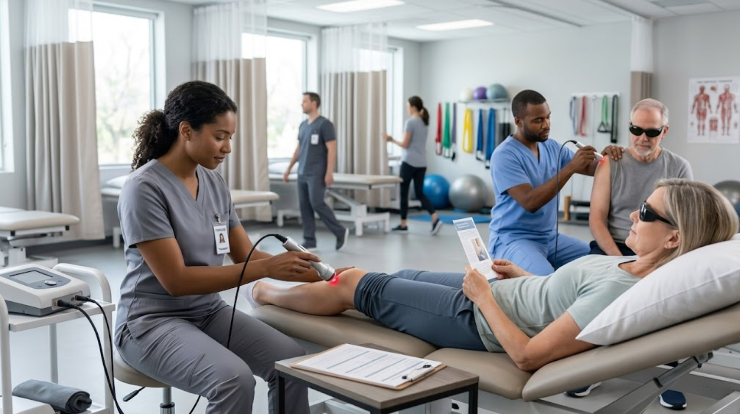
The field of regenerative medicine has been transformed by the introduction of non-invasive light-based treatments that promote cellular healing and systemic relief. Low-level laser therapy uses specific wavelengths of light to interact with tissue and accelerate recovery from various musculoskeletal conditions. Unlike high-power surgical lasers that cut or burn tissue, this cold laser technology penetrates the skin surface to stimulate deep healing without causing thermal damage. Patients seeking LLLT laser therapy in Davie often find that this professional intervention provides a reliable alternative to pharmacological management for chronic discomfort. By triggering a series of photochemical reactions at the molecular level, this therapy restores function and improves the overall quality of life for those with persistent physical challenges.
The Biological Mechanism of Photobiomodulation
At the core of this advanced treatment is a process known as photobiomodulation, in which light photons are absorbed by mitochondria within cells. This absorption leads to an increase in the production of adenosine triphosphate, the primary energy currency of the cell, which fuels repair and regeneration. When cells have a higher energy capacity, they can process nutrients and eliminate waste products more efficiently, thereby reducing localized inflammation. Utilizing laser therapy for pain in Davie allows individuals to access a clinical environment where these biological processes are optimized through precise calibration of the equipment.
This regenerative effect is particularly beneficial for individuals dealing with slow-healing wounds or degenerative joint conditions that have not responded to traditional physical therapy alone. Medical professionals monitor the progress of each session to ensure that the cumulative effects of light exposure result in a sustained reduction in symptoms. By stimulating the body’s natural pharmacy, the treatment provides a foundation for long-term structural integrity rather than just a temporary masking of sensations.
Targeted Relief for Chronic and Acute Conditions
The versatility of low-level light technology makes it an ideal solution for a wide range of clinical applications, from sports injuries to chronic neurological disorders. In an acute setting, the therapy rapidly reduces edema and swelling by stimulating the lymphatic system to drain excess fluid from the injured area. This rapid decrease in pressure often leads to immediate improvements in range of motion and reduced sharp sensations associated with recent trauma.
For those with long-standing conditions such as arthritis or carpal tunnel syndrome, the therapy offers a way to modulate the nervous system and reduce sensitivity. The light energy helps release endorphins and enkephalins, the body’s natural pain-relieving chemicals, providing a soothing effect that can last for several days after a session.
Professional Integration and Long-Term Wellness
Achieving the best results with light-based therapy requires a comprehensive clinical approach that includes diagnostic evaluation and personalized treatment protocols. Professional providers ensure that the frequency and duration of the sessions are tailored to the severity of the condition and the patient’s overall health status. This specialized care often includes integrating other therapeutic modalities to enhance the healing response and ensure the underlying cause of the discomfort is addressed.
As the tissue becomes healthier and more resilient, the likelihood of future injury decreases, allowing individuals to return to their favorite activities with greater confidence. The professional application of light energy represents a sophisticated intersection of physics and biology, offering a clear and effective route toward a life of sustained physical comfort and vitality.
Conclusion
Low-level laser therapy has established itself as a cornerstone of modern pain management by offering a safe and scientifically grounded alternative to invasive procedures. The ability to stimulate cellular repair and reduce inflammation through light energy provides a unique advantage for those seeking to avoid the side effects of traditional medications. The precision and effectiveness of this clinical technology ensure that the recovery process is both efficient and sustainable. Ultimately, embracing this advanced medical modality is a proactive step toward reclaiming one’s mobility and achieving a higher standard of daily wellness.