IVF treatment has become one of the most trusted assisted reproductive methods for couples facing infertility. It offers hope to many people who are struggling to conceive naturally. However, successful outcomes depend not only on the procedure itself but also on proper medical care, monitoring, and lifestyle support throughout the process. Leading healthcare providers such as Liv Hospital offer advanced fertility services along with continuous patient support.
What Is IVF Treatment and Care?
IVF (In Vitro Fertilization) is a medical process where eggs are collected from the ovaries and fertilized with sperm in a laboratory. The resulting embryos are then transferred into the uterus to achieve pregnancy. IVF treatment is often recommended for couples with blocked fallopian tubes, low sperm count, ovulation issues, or unexplained infertility.
Proper IVF Treatment and Care includes every stage of the process, from initial consultation to post-transfer monitoring. Patients can also learn more about ivf insemination treatment to understand how fertility procedures are planned and managed by specialists.
Steps Involved in IVF Treatment
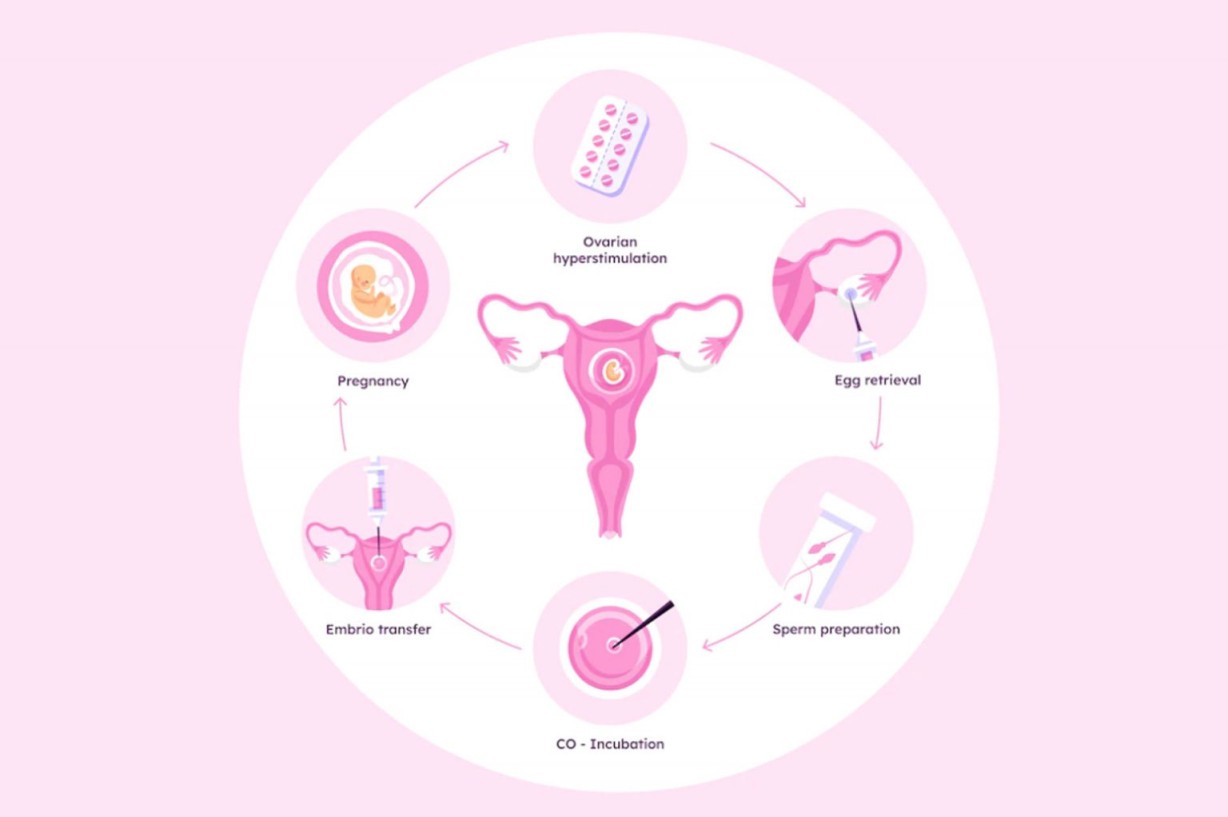
IVF treatment is carried out in carefully planned stages to increase the chances of success.
Ovarian Stimulation
Doctors prescribe hormone injections to stimulate the ovaries and produce multiple eggs for retrieval.
Egg Collection
Once the eggs are ready, they are collected through a minor surgical procedure performed under medical supervision.
Fertilization Process
The eggs are combined with sperm in a laboratory to create embryos. These embryos are closely monitored for development.
Embryo Transfer
Healthy embryos are transferred into the uterus, where implantation may occur naturally.
Detailed information about IVF Treatment and Care helps patients understand each step and prepare for the journey more effectively.
Importance of Medical Care During IVF
Careful monitoring and medical supervision are essential during IVF treatment. Doctors track hormone levels, embryo development, and overall reproductive health throughout the process. Regular follow-ups help improve treatment accuracy and reduce risks.
Patients are usually advised to:
- Follow prescribed medications strictly
- Maintain a healthy and balanced diet
- Avoid smoking, alcohol, and stress
- Get adequate rest and sleep
- Attend all scheduled appointments
These steps support better treatment outcomes and overall wellbeing.
Emotional and Physical Support
IVF can be emotionally challenging for many individuals. Stress, anxiety, and uncertainty are common during treatment. Emotional support from family, counselors, and medical professionals plays a key role in maintaining mental balance.
Support programs may include counseling sessions, lifestyle advice, and stress management techniques to help patients stay positive during their journey.
Factors That Influence IVF Success
Several factors can affect the success of IVF treatment, including:
- Age of the patient
- Quality of eggs and sperm
- Overall health condition
- Lifestyle habits
- Early diagnosis and treatment planning
Advancements in reproductive medicine continue to improve success rates and patient experience.
Final Thoughts
IVF Treatment and Care is a detailed and carefully managed process that requires both medical expertise and emotional support. With the right guidance and proper care, many couples are able to achieve their dream of parenthood.
Understanding the full process, including ivf insemination treatment, helps patients make informed decisions and approach fertility treatment with confidence and hope.